Complete Guide to Health Check-Ups in Kuils River
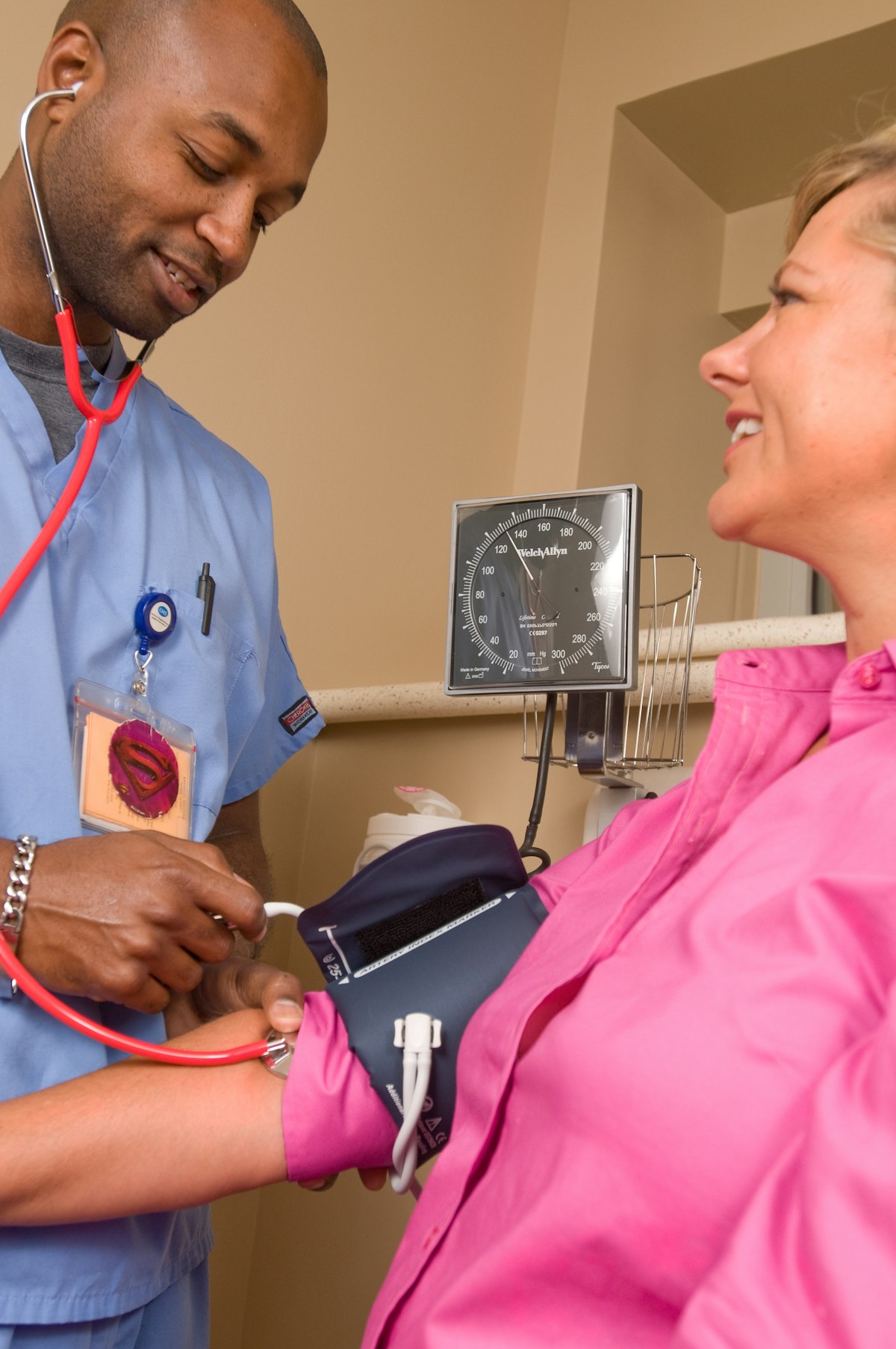
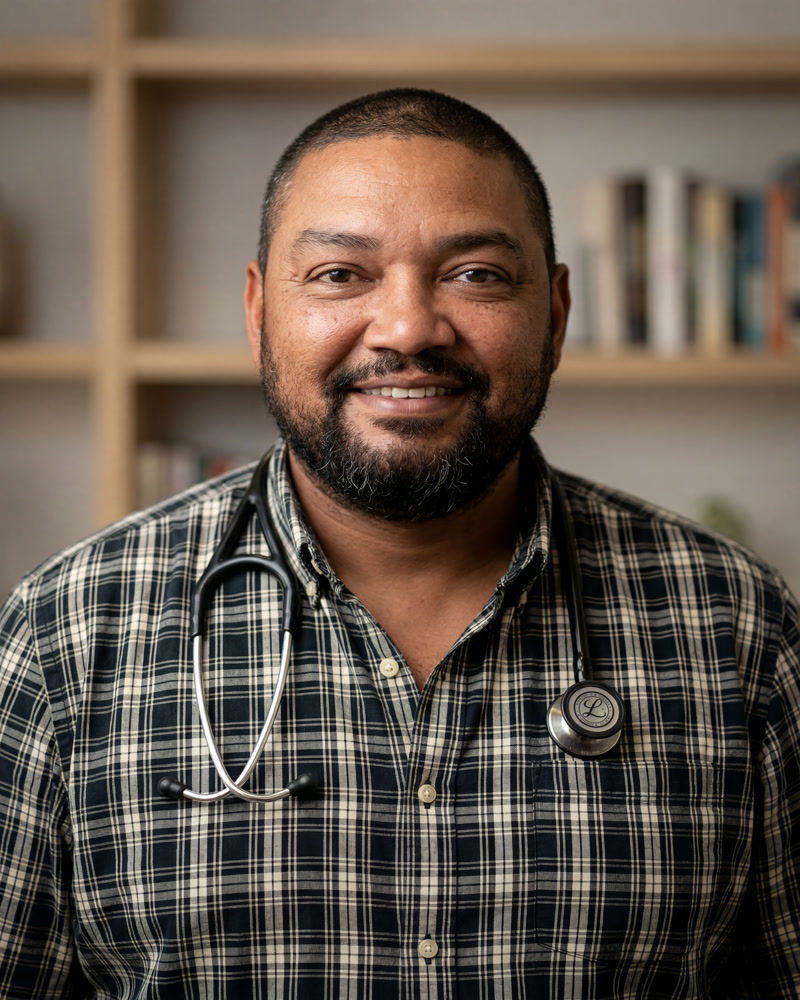
Complete Guide to Health Check-Ups in Kuils River
South Africa loses over 164,000 people each year to non-communicable diseases like heart disease, diabetes, and cancer — a figure that’s climbed 58.7% in two decades, according to Statistics South Africa. Many of these deaths are preventable. A routine health check-up at your local Kuils River GP can catch warning signs years before symptoms appear, giving you and your family a genuine head start on better health.
This guide covers everything you need to know about health check-ups — what they include, how often you need them, what they cost, and why they matter so much in the South African context.
TL;DR: Nearly half (48.7%) of South Africans with hypertension don’t know they have it, according to research in the Journal of Human Hypertension. Regular health check-ups catch conditions like high blood pressure, diabetes, and high cholesterol early — when they’re still manageable. This guide walks you through what to expect, when to go, and what it costs in Kuils River.
Why Are Regular Health Check-Ups So Important?
Deaths from major non-communicable diseases in South Africa jumped from 103,428 in 1997 to 164,205 in 2018 — a 58.7% increase over two decades (Statistics South Africa). That’s not a distant statistic. It’s your neighbours in Kuils River, your colleagues in Bellville, your family members across the Cape Flats.
The Silent Threat of Undiagnosed Conditions
Here’s the problem: chronic diseases don’t announce themselves. A 2023 study in the Journal of Human Hypertension screened 11,320 South Africans and found that 29.7% had hypertension. But only 54.3% of those people knew about it. That means nearly half were walking around with dangerously high blood pressure and had no idea.
The same pattern holds for diabetes. South Africa has an adult diabetes prevalence of 10.2% — more than double the sub-Saharan African average of 4.2%, according to the World Obesity Federation. Type 2 diabetes incidence has doubled in sub-Saharan Africa in just six years, with South Africa recording the highest rate at 21.8 cases per 1,000 person-years (Wits University, 2025).
Prevention Pays Off
Could a 30-minute check-up really make that much difference? The evidence says yes. Research from the Trust for America’s Health shows that every rand invested in evidence-based prevention returns R5.60 in savings. Intensive lifestyle changes alone can reduce new diabetes cases by more than 50%.
Key Finding: Prevention strategies have the potential to avert 70% of chronic disease cases. A single check-up that catches high blood pressure early could prevent a stroke that costs hundreds of thousands of rands to treat — and the immeasurable cost of lost quality of life. — Trust for America’s Health
For Kuils River families, that translates to fewer emergency trips to Karl Bremer Hospital or Tygerberg Hospital, less time off work, and more years spent healthy with the people you love.
[INTERNAL-LINK: Book your health check-up → booking page]
What Does a Comprehensive Health Check-Up Include?
A standard health check-up at a Kuils River general practice covers far more than a quick “how do you feel?” According to the Government Employees Medical Scheme (GEMS), preventative screening is one of the most effective strategies to facilitate early diagnosis and prevent premature death.
Physical Examination
Your doctor will check your:
- Blood pressure — the single most important measurement, given that 29.7% of South Africans have hypertension (Journal of Human Hypertension)
- Heart rate and rhythm — listening for irregular heartbeats
- Weight and BMI — critical in a country where 32% of adults are obese (World Obesity Federation)
- Eyes, ears, throat — checking for infections and early signs of disease
- Abdomen — palpation to check organ size and tenderness
- Skin — looking for moles, rashes, or lesions that need attention
Blood Tests and Screenings
Blood work reveals what a physical exam can’t. Expect your GP to request:
- Full blood count (FBC) — checks for anaemia, infection, and blood disorders
- Fasting glucose and HbA1c — screens for diabetes and pre-diabetes
- Lipid profile — cholesterol and triglyceride levels
- Kidney function (creatinine, eGFR) — especially important for patients with high blood pressure
- Liver function tests — screens for liver damage or disease
- Thyroid function (TSH) — often under-tested but critical for energy and metabolism
Additional Assessments
Depending on your age, sex, and risk factors, your doctor may also assess:
- Mental health screening — depression and anxiety are frequently missed
- Vision and hearing — particularly from age 40 onwards
- Prostate-specific antigen (PSA) — for men over 50
- Pap smear / cervical screening — for women (more on age guidelines below)
What surprises most patients? How much a routine blood test can reveal. You might feel perfectly fine and still have elevated cholesterol or early-stage insulin resistance.

How Often Should You Get a Health Check-Up?
The answer depends on your age, your risk factors, and your family history. Among South Africans aged 24–40, self-reported hypertension prevalence already sits at 24%, with women affected more than men at 27.5% versus 20.4% (Journal of Human Hypertension, 2025). That means even young adults need regular screening.
Age-Based Recommendations
Ages 18–29: Every 2–3 years You’re building your health baseline. Your GP will check blood pressure, BMI, cholesterol (if family history warrants it), and screen for STIs including HIV. Women should begin cervical screening from age 25 or at HIV diagnosis.
Ages 30–39: Every 1–2 years Diabetes risk climbs in this decade. Add fasting glucose, a full lipid panel, and thyroid function. This is when lifestyle-related conditions begin to surface — don’t wait for symptoms.
Ages 40–49: Annually Vision changes, blood pressure increases, and cancer risk all rise. Men should discuss prostate screening. Women need regular mammograms from age 40–45. Colon cancer screening conversations should start.
Ages 50–59: Annually (with expanded panels) Colonoscopy screening begins. Bone density testing for women. Cardiovascular risk assessment becomes a priority. HbA1c testing should happen at least annually.
Ages 60+: Annually (comprehensive) Add cognitive screening, fall risk assessment, and medication review. Flu and pneumococcal vaccines become especially important.
Risk-Factor-Based Screening
Some people need more frequent monitoring regardless of age. If you have a family history of heart disease, diabetes, or cancer — or if you smoke, are overweight, or live a sedentary lifestyle — your GP may recommend six-monthly checks. Are you sure your risk profile hasn’t changed since your last visit?
Key Finding: Among South Africans with hypertension, 48.7% were completely unscreened, 23.1% were screened but undiagnosed, and only 8.9% had their condition under control. Regular check-ups close that gap. — Journal of Human Hypertension
[INTERNAL-LINK: Learn about chronic disease management → chronic disease blog post]
Essential Health Screenings by Age Group
Western Cape residents face what health researchers call a “quadruple burden of disease” — HIV/TB, violence and injury, maternal/child health issues, and a rapidly growing wave of non-communicable diseases (Western Cape Department of Health, 2024/25). Screening tailored to your age group helps you stay ahead of all four.
Screenings for Your 20s and 30s
| Screening | Frequency | Who Needs It |
|---|---|---|
| Blood pressure | Every 1–2 years | Everyone |
| HIV test | At least once; annually if at risk | Everyone |
| Cervical cancer (Pap smear) | From age 25–30; every 3 years | Women |
| STI screening | Annually if sexually active | Everyone |
| Cholesterol panel | Every 5 years (sooner if family history) | Everyone |
| TB screening | If symptomatic or HIV-positive | At-risk individuals |
| Mental health check | Annually | Everyone |
Screenings for Your 40s and 50s
| Screening | Frequency | Who Needs It |
|---|---|---|
| Fasting glucose / HbA1c | Annually | Everyone |
| Full lipid panel | Annually | Everyone |
| Mammogram | Every 1–2 years from age 40–45 | Women |
| PSA (prostate) | Discuss with GP from age 50 | Men |
| Colonoscopy | From age 50; every 10 years | Everyone |
| Eye exam | Every 2 years | Everyone |
| Thyroid function | Every 5 years | Everyone; women especially |
| Bone density (DEXA) | From age 50 if at risk | Women (post-menopause) |
Screenings for 60+
| Screening | Frequency | Who Needs It |
|---|---|---|
| All of the above | Annually | Everyone |
| Cognitive screening | Annually | Everyone |
| Fall risk assessment | Annually | Everyone |
| Hearing test | Every 2 years | Everyone |
| Pneumococcal vaccine | Once (with booster) | Everyone |
| Flu vaccine | Annually | Everyone |
| Medication review | At every visit | Everyone on chronic meds |
South Africa-Specific Screenings
South Africa’s disease profile demands extra vigilance in areas that other countries might overlook:
- HIV testing — SA has the world’s largest HIV programme. Know your status. The national policy recommends routine voluntary testing for all age groups at every health facility visit.
- TB screening — People living with HIV should be symptom-screened at every healthcare visit (NICD Guidelines).
- Cervical cancer — For women living with HIV, screening should start at HIV diagnosis regardless of age and continue three-yearly (SASOG 2024 Guidelines).
Have you had all the screenings recommended for your age group? If you’re unsure, that’s exactly what your next check-up is for.
What Are the Warning Signs You Shouldn’t Ignore?
While regular check-ups catch the silent conditions, some symptoms demand immediate attention. For every Kuils River resident, knowing when to pick up the phone and call your GP — or head straight to the emergency room — can be the difference between a treatable condition and a life-threatening one.
Red Flag Symptoms
Call your doctor today if you experience:
- Chest pain or tightness — especially with shortness of breath, sweating, or nausea
- Sudden severe headache — “the worst headache of your life” could signal a stroke
- Unexplained weight loss — losing more than 5% of body weight without trying
- Blood in urine or stool — never normal, always warrants investigation
- A lump or growth — anywhere on your body that’s new or changing
- Persistent fatigue — lasting more than two weeks despite adequate rest
- Vision changes — sudden blurriness, double vision, or loss of sight
- Numbness or weakness — particularly on one side of the body
When to Go to Emergency
Head to the nearest emergency room — Karl Bremer Hospital (Bellville), Tygerberg Hospital, or Mediclinic Durbanville — if you experience:
- Chest pain lasting more than 5 minutes
- Signs of stroke (face drooping, arm weakness, speech difficulty)
- Severe difficulty breathing
- Heavy uncontrolled bleeding
- Loss of consciousness
Key Finding: Diabetes is now one of the top three causes of death in South Africa. Many cases are diagnosed only after complications like kidney failure or vision loss have already set in. A simple fasting glucose test during a routine check-up catches it years earlier. — Statistics South Africa
Don’t wait for red flags. The whole point of regular check-ups is to catch problems before they become emergencies.
How Much Do Health Check-Ups Cost in South Africa?
Cost shouldn’t stand between you and your health, but it’s a fair question. According to Expatistan and multiple practice surveys, the average private GP consultation in South Africa runs between R500 and R700. Blood tests are additional, but most basic panels cost between R300 and R800 depending on the lab and what’s ordered.
Medical Aid Coverage
If you’re on a medical scheme, your check-up is likely covered — or heavily subsidised. Here’s what the major schemes offer:
Discovery Health The Screening and Prevention Benefit covers specific tests at no additional cost — blood pressure, glucose, cholesterol, BMI, HIV, and cervical cancer screening. Their Vitality programme offers extra incentives for completing annual health checks.
Bonitas The Be Better Benefit provides wellness screenings and rewards members for participating in regular check-ups. Their Benefit Booster unlocks additional out-of-hospital cover when you complete a wellness screening and mental health assessment.
GEMS The Preventative Screening benefit covers a comprehensive set of annual screenings at no co-payment for government employees.
Cash Patients (No Medical Aid)
If you’re paying out of pocket, here’s a realistic breakdown for a basic health check-up in the Kuils River area:
| Item | Estimated Cost |
|---|---|
| GP consultation | R500–R700 |
| Basic blood panel (glucose, cholesterol, FBC) | R300–R600 |
| Extended panel (thyroid, kidney, liver function) | R400–R800 |
| ECG (heart tracing) | R250–R400 |
| Total basic check-up | R800–R1,300 |
That’s roughly the price of two dinners out. When you consider that treating uncontrolled diabetes costs upwards of R30,000 per year in medication alone, the maths speaks for itself.
[INTERNAL-LINK: Contact us for pricing → contact page]
Chronic Disease Prevention: The South African Context
South Africa’s chronic disease burden is staggering — and growing. An estimated 32% of South African adults live with obesity, while 56% are overweight, according to the World Obesity Federation. These figures aren’t just numbers. They represent millions of people at elevated risk for diabetes, heart disease, stroke, and certain cancers.
Hypertension: The Silent Killer Among Young South Africans
High blood pressure doesn’t discriminate by age. A 2025 study found that 24% of South Africans aged 24–40 already report hypertension — with women more affected (27.5%) than men (20.4%). Among those who actually have hypertension, nearly half don’t know it.
In the Western Cape, where average life expectancy is 67.4 years for males and 71.6 years for females (Western Cape Department of Health), catching hypertension early could add years to your life. A blood pressure reading takes less than two minutes.
Diabetes: Doubling at an Alarming Rate
Type 2 diabetes has doubled in sub-Saharan Africa in just six years (Wits University / The Lancet Global Health, 2025). South Africa leads the continent with 21.8 new cases per 1,000 person-years. The link to obesity is well-established — and with 68% of South African women classified as obese or overweight, the pipeline of future diabetes cases is deeply concerning.
But here’s the hopeful part: intensive lifestyle changes — diet, exercise, weight management — can reduce new diabetes cases by more than 50%. That’s not a fantasy. That’s peer-reviewed evidence.
Obesity: New National Guidelines
In October 2025, the South African Metabolic Medicine and Surgery Society (SAMMSS) published the country’s first national obesity clinical practice guidelines in the South African Medical Journal. These guidelines formally recognise obesity as a chronic, relapsing medical disease — not simply a lifestyle choice.
The guidelines recommend a structured continuum of care: clinical assessment, medical nutrition therapy, behavioural support, medication where indicated, and bariatric surgery for selected patients. If your BMI is above 30, talk to your GP about this new framework at your next check-up.

Key Finding: With more than 10 million South African adults affected by obesity and the new SAMMSS guidelines recognising it as a chronic disease, your annual check-up is the right starting point for a structured, evidence-based care plan. — South African Medical Journal, 2025
[INTERNAL-LINK: Managing diabetes and hypertension → chronic disease management post]
Your Health Check-Up Checklist: What to Prepare
Walking into your GP’s rooms well-prepared means you’ll get more out of those 20–30 minutes. Here’s what to bring and how to prepare for your check-up at Kuilsriver Doctors in Kuils River.
What to Bring
- Medical aid card — or cash/card if paying privately
- ID document — for new patient registration
- Current medication list — including dosages and how often you take each one
- Previous blood test results — if you have them, even from years ago
- Family medical history — note any parents, siblings, or grandparents with diabetes, heart disease, cancer, or stroke
- List of questions — write them down so you don’t forget in the moment
How to Prepare for Blood Tests
- Fast for 8–12 hours before your appointment if blood glucose or cholesterol tests are expected (water is fine)
- Stay hydrated — drink water before your visit; dehydration makes veins harder to find
- Take your chronic medication as normal unless your doctor specifically advises otherwise
- Wear a loose-fitting top — makes blood pressure measurement and blood draws easier
Questions to Ask Your Doctor
Not sure what to discuss? Start with these:
- “Based on my age and risk factors, which screenings am I due for?”
- “Are my blood pressure and blood sugar numbers where they should be?”
- “Is my weight in a healthy range? What should I aim for?”
- “Do I need any vaccinations — flu, pneumococcal, or others?”
- “Should I be screened for HIV and TB?”
- “Are there any lifestyle changes that would make the biggest difference for me?”
- “When should I come back for my next check-up?”
The best question you can ask? The one you’re afraid to ask. Your GP has heard it all before. Nothing you say in that consulting room will surprise them — but leaving something unsaid could cost you.
Frequently Asked Questions
How long does a full health check-up take?
A comprehensive check-up at your Kuils River GP typically takes 30–45 minutes, including a physical examination and discussion of results or concerns. Blood tests are drawn during the visit but results take 1–3 working days. According to Discovery Health’s screening benefit, most medical schemes cover annual wellness screenings at no extra cost to the member.
Can I get a health check-up without medical aid?
Absolutely. Cash patients in the Kuils River and Cape Town area can expect to pay R500–R700 for a GP consultation, plus R300–R800 for blood work depending on the panel ordered (Expatistan, 2025). That’s R800–R1,500 total for a basic check-up — a fraction of the cost of treating an undiagnosed chronic condition that’s progressed.
What’s the difference between a wellness screening and a full check-up?
A wellness screening — like those offered through Bonitas’ Be Better Benefit or at pharmacy-based kiosks — covers basics like blood pressure, BMI, and glucose. A full check-up with your GP adds a physical examination, detailed blood panels, personal and family history review, and a tailored screening plan. Think of wellness screenings as a quick snapshot; a full check-up is the complete picture.
At what age should I start getting regular check-ups?
From age 18, you should establish a baseline with a GP visit every 2–3 years. By age 30, switch to annual or biennial visits. Given that 24% of South Africans aged 24–40 already have hypertension, starting early isn’t overly cautious — it’s smart. Your 20s are when you build the health record that protects you for decades.
Are health check-ups covered by medical aid in South Africa?
Most medical schemes include preventive screening benefits. Discovery covers blood pressure, glucose, cholesterol, HIV, and cervical cancer screenings. GEMS provides comprehensive annual screenings at no co-payment. Even entry-level plans typically cover basic wellness checks — contact your scheme to confirm your specific benefits.
Take Control of Your Health Today
Here’s what we know: 48.7% of South Africans with hypertension are completely unscreened. Diabetes rates have doubled in six years. Over 10 million adults live with obesity, now officially recognised as a chronic disease. And the Western Cape faces a quadruple burden of disease that affects every community — including ours here in Kuils River.
But we also know this: prevention strategies can avert 70% of chronic disease cases. A simple blood pressure reading takes two minutes. A fasting glucose test catches diabetes years before symptoms appear. And early detection consistently saves lives, money, and heartache.
At Kuilsriver Doctors, we’ve been serving the Kuils River community with comprehensive, compassionate healthcare. Whether you’re 25 and have never had a check-up, or 65 and managing multiple chronic conditions, your health check-up is the single most productive hour you can spend on yourself this year.
Ready to book your health check-up? Contact Kuilsriver Doctors or book an appointment online. Your future self will thank you.
[INTERNAL-LINK: Book an appointment → booking page] [INTERNAL-LINK: Meet our doctors → about page]
Concerned about your health? Book a consultation with our experienced doctors.